Common causes of lower back pain can vary, but we can help get to the root of yours!
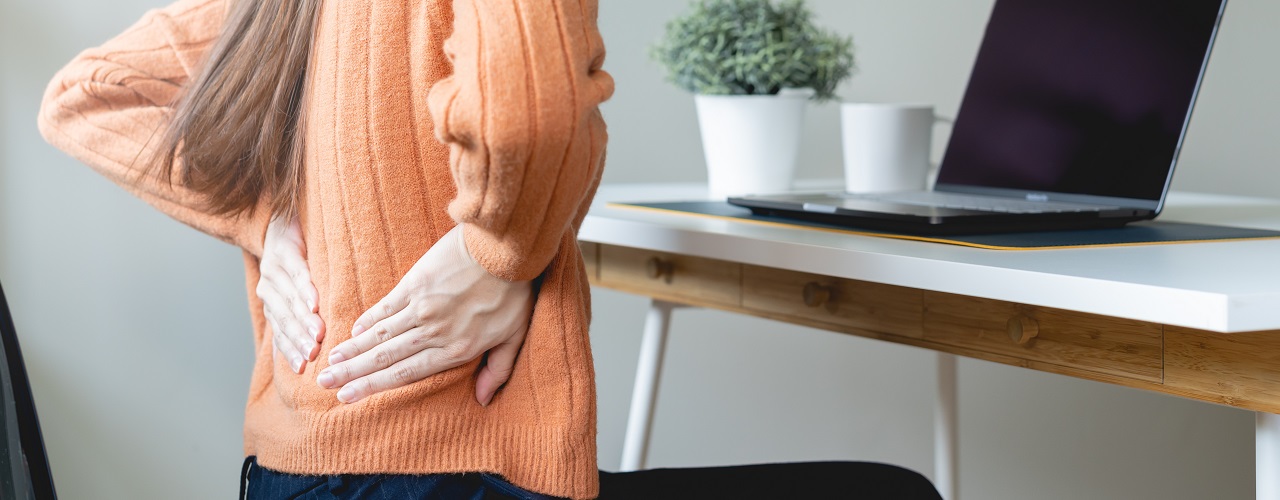
Do you constantly reach for a heating pad to help soothe your lower back pain? Do you struggle to stand up straight or find that you’re spending too much money on over-the-counter pain medication? If so, you’re not alone: lower back pain is one of the most common conditions in the world. And understanding the causes of lower back pain is the first step in finding a solution that works for you.
Four out of five Canadians will experience lower back pain at some point in their lives, particularly during middle age. Furthermore, most lower back pain occurrences (around 85%-90%) are non-specific low back pain. This means the pain isn’t rooted in a particular disease or condition but rather a traumatic injury, a sprain or strain, or lifestyle factors, like poor posture.
At Ability Physiotherapy (opens in a new tab), our physiotherapists can help you understand the source of your lower back pain–and then work with you to find the right approach to resolving it. Through exercise, lifestyle modifications, and acute pain management techniques, we can help manage your symptoms and find relief.
Keep reading to learn more about the different causes of lower back pain. You can also schedule an appointment at our physiotherapy (opens in a new tab) office to talk to one of our therapists!
Common Causes of Nonspecific Lower Back Pain
For most people, their back pain (opens in a new tab) is rooted in some kind of mechanical cause impacting the spinal or the muscles, tendons, and ligaments of the lower back. Here are some of the most common examples:
- Back Sprain: A sprain is an injury to your ligaments (the tissue that connects your bones). If you overstretch one of the ligaments–for example, while using an improper lifting technique or twisting your spine as you lift–it could result in lower back pain and stiffness.
- Back Strain: A strain, in contrast, affects either the muscles or tendons (the tissue that connects your muscles to your bones). Again, improper lifting techniques (or lifting something too heavy) can lead to back strain and stiffness.
- Degenerative Disc Disease: This condition isn’t actually a disease–merely one of the effects of aging. As we get older, the spinal discs, which protect and cushion your spinal vertebrae, start to break down, causing the vertebrae to rub painfully together.
- Herniated Disc: If one of those spinal discs compresses and irritates the nearby nerve, you may also experience lower back pain–along with sciatica, which sends sharp pain shooting down the back of your leg.
Certain lifestyle factors can increase your risk of developing non-specific back pain: namely, prolonged sitting and generally being too sedentary.
Other Causes of Lower Back Pain
While the vast majority of people suffering from lower back pain don’t have an underlying condition, there are still several conditions that list lower back pain among their symptoms. Here are some of the most common:
- Osteoarthritis: The most common form of arthritis in Canada, osteoarthritis can affect any of the joints in your body, including the lower part of your spine. It occurs when the protective cartilage in the joint starts to degenerate. It’s often associated with degenerative disc disease.
- Compression Fracture: Osteoporosis causes your bone density to decrease, putting you at a greater risk of suffering a fracture. Back pain is one of the more frequent symptoms, and it’s usually caused by a small fracture at the base of the spine.
- Spinal Stenosis: This condition refers to a narrowing of the spinal canal, which puts pressure on the spinal cord and spinal nerves, leading to pain, numbness, and weakness in both the back and the legs.
- Ankylosing Spondylitis: This condition is another form of arthritis–one that affects the joints and ligaments in your spine. In addition to lower back pain, it can also cause stiffness in the spine, and, if left untreated, may cause your vertebrae to fuse together.
How Physiotherapy Will Help You Find Lower Back Pain Relief
While there are several potential causes of lower back pain, our physiotherapists can help you understand which might apply to you. In fact, the first step in effectively managing lower back pain is identifying what’s causing it.
We always begin with a comprehensive physical assessment to help get to your condition’s root cause. We’ll take a complete medical history and review your exact symptoms–including symptoms that may not necessarily relate to your back, such as hip or leg pain. Finally, we’ll perform several simple movement screens to help us identify any biomechanical issues or limitations in your motion that might be contributing to your condition.
We can then pull from several different physiotherapy techniques to create a custom program that addresses your pain at its source. Here are just a few of the methods we might suggest:
- Manual Therapy: Manual therapy is a set of hands-on techniques, such as joint mobilizations or soft tissue manipulation, that can reduce pain, restore spinal mobility, and promote blood circulation.
- Back Strengthening Exercises: In most cases, movement and exercise are among the best ways to address lower back pain. Strengthening your core muscles, which include the muscles of your lower back, is a great way to provide additional support and stability to your spine, helping to reduce pain and prevent future injuries.
- Aerobic Exercise: Often, gentle aerobic exercise, such as walking or swimming, can help you manage your lower back pain while improving your overall strength and fitness.
- Pain Relief Modalities: Certain pain management techniques, such as hot and cold therapy or electrostimulation, can help resolve acute back pain as you work through your physiotherapy program.
- Education and Activity Modification: Finally, we can help you develop long-term strategies for avoiding lower back pain, such as information about proper lifting techniques, movements to avoid or modify, and more.
Request Your Appointment Today!
At Ability Physiotherapy, we can help you fully understand your back pain–including its source and the best way to resolve it. Request an initial consultation (opens in a new tab) to start your journey to lower back pain relief!