
Move Through Your Day with Greater Confidence
Walking is something most people do without much thought until their stride begins to feel slower, less coordinated, or less reliable. Changes in the way you walk can affect errands, work, exercise, community activities, and your ability to move independently. At Ability Physiotherapy & Wellness, care for gait disorders in South East Calgary, AB and North East Calgary, AB focuses on understanding what is changing your walking pattern and which physical abilities can be improved. Our team helps you work toward a steadier, more efficient way of moving that reflects the places and activities you want to return to.
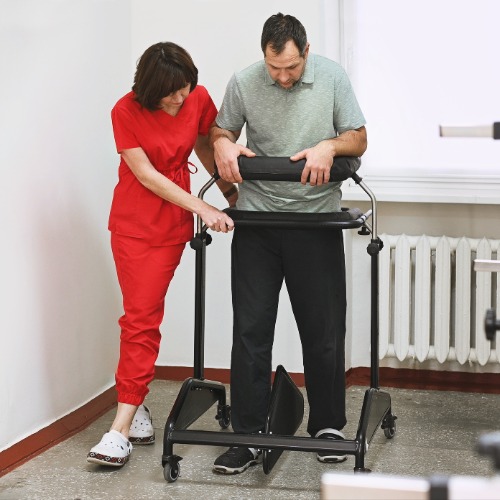
Understanding Changes in the Way You Walk
Gait refers to the way your body moves as you walk. A gait disorder can involve changes in step length, speed, rhythm, foot placement, balance, or the ability to coordinate the legs and trunk. Some people begin taking shorter steps, shuffling, favoring one side, or spending more time looking at the ground to feel secure.
Walking changes can have many contributing factors. Strength, joint mobility, sensation, coordination, balance, neurological conditions, previous injuries, and pain can all influence your stride. The environment matters too. A walking pattern that feels manageable inside the home may become more challenging on stairs, curbs, grass, or crowded sidewalks. Your evaluation helps determine which factors are most relevant to you rather than assuming every gait change has the same cause.
Common factors associated with changes in gait may include:
- Weakness in the legs, hips, or trunk.
- Reduced mobility in the hips, knees, ankles, or feet.
- Changes in sensation that affect awareness of the ground.
- Neurological conditions that influence coordination or movement control.
- Pain or stiffness that changes how weight is distributed while walking.
- A previous injury, surgery, or period of reduced activity.
Recognizing Signs of a Gait Disorder
Changes in walking can appear gradually or after a specific health event. You may notice:
- Taking shorter or slower steps than you used to.
- Shuffling or having difficulty clearing your feet from the ground.
- Favoring one leg while walking.
- Veering or drifting to one side.
- Difficulty changing direction smoothly.
- Needing extra effort to start or stop walking.
- Trouble managing curbs, stairs, or uneven surfaces.
- Fatigue that causes your walking pattern to change as you continue moving.
Improving the Skills Needed for Walking
At Ability Physiotherapy & Wellness, gait training begins with identifying which parts of walking are creating difficulty. Your physiotherapist may assess leg strength, joint mobility, balance, coordination, sensation, and the way you transfer weight from one leg to the other. We also look at how you walk in situations that reflect your daily routine.
Depending on your findings, treatment may include:
- Strengthening for the legs, hips, and trunk to support walking.
- Walking practice that addresses step length, foot placement, speed, or coordination.
- Mobility exercises when joint restrictions interfere with a smoother stride.
- Balance and weight-shifting activities that improve control between steps.
- Practice with stairs, turns, curbs, or different walking surfaces when relevant to your goals.
- Education and home activities that reinforce safer, more efficient movement outside the clinic.
Care Built Around Where You Need to Go
At Ability Physiotherapy & Wellness, personalized physiotherapy means we look beyond how you walk across the clinic floor. Your real goals may involve reaching the mailbox, shopping independently, walking through a busy workplace, keeping up with family, or returning to community activities. Those situations help determine what your program needs to prepare you for.
Our team approaches gait care with these priorities:
- We identify which parts of walking are most difficult or tiring for you.
- We explain the factors affecting your stride in clear, useful language.
- We practice movement in ways that reflect the environments you actually encounter.
- We adjust your program as your strength, coordination, and walking ability improve.
What to Expect During Your Gait Evaluation
Your first visit includes a detailed discussion about when your walking began to change and which situations are most challenging. Your therapist may observe your stride, step length, speed, foot placement, balance, and ability to turn or change direction. Strength, mobility, sensation, and other physical findings may also be assessed when they relate to your walking.
We use this information to identify meaningful goals and determine which abilities should be addressed first. Progress may involve walking farther, moving more smoothly, managing stairs, or needing less support during everyday mobility. People seeking help for gait disorders in South East Calgary, AB and North East Calgary, AB receive care centered on improving practical walking function and independence.
Frequently Asked Questions
Take a More Confident Step Forward
Changes in your walking can affect much more than how you get from one place to another. They can influence independence, activity, and how comfortable you feel moving through your community. Contact Ability Physiotherapy & Wellness to schedule an assessment if changes in your gait are making daily mobility more difficult. We can help you work toward a stronger, steadier, and more functional walking pattern.

THE ABILITY WAY
Care That Starts With You
We believe your care should never be one-size-fits-all. Every plan is shaped around your story, your goals, and the way you want to move through life.
- One-on-one personalized care
- A plan built around your goals
- Hands-on treatment and movement support
- Education to support lasting progress