Support for Pain Relief, Muscle Function, and Recovery
If you are looking for electrical stimulation in South East Calgary, AB and North East Calgary, AB, you may be dealing with pain, muscle weakness, or difficulty moving after an injury, surgery, or other condition. Electrical stimulation can be used as part of a physiotherapy program to support pain management, muscle activation, and functional movement. At Ability Physiotherapy & Wellness, your physiotherapist will consider your symptoms, abilities, and goals to determine whether electrical stimulation may be a helpful part of your care.
Understanding Electrical Stimulation Therapy
Electrical stimulation uses low-level electrical currents to stimulate nerves or muscles. Depending on the type of stimulation being used, treatment may help manage discomfort, encourage muscle contractions, or support movement.
Electrical stimulation is often used alongside exercise, manual therapy, and other physiotherapy techniques. Rather than replacing active rehabilitation, it can be one tool your physiotherapist uses to support the goals of your overall treatment plan.
Types of Electrical Stimulation
Transcutaneous Electrical Nerve Stimulation (TENS)
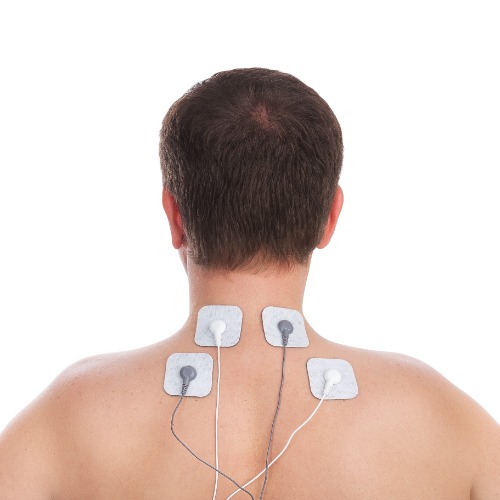
TENS uses gentle electrical stimulation through electrodes placed on the skin. It is commonly used as part of pain management and may help make movement or exercise more comfortable for some patients.
Neuromuscular Electrical Stimulation (NMES)
NMES uses electrical stimulation to encourage muscle contractions. It may be helpful when a muscle is weak or difficult to activate following an injury, surgery, or period of reduced activity.
Functional Electrical Stimulation (FES)
FES uses electrical stimulation during specific movements or functional activities. It may be used as part of neurological rehabilitation to help support muscle activation and functional movement.
How Electrical Stimulation May Help
Support Pain Management
Electrical stimulation may help reduce discomfort for some patients. When pain is making movement or exercise difficult, your physiotherapist may use stimulation as one part of a broader pain management plan.
Encourage Muscle Activation
After an injury, surgery, or period of inactivity, you may have difficulty activating certain muscles. NMES can help encourage muscle contractions while you work to rebuild strength and control.
Support Functional Movement
For some patients, electrical stimulation can be used alongside movement training to support muscle function during activities that are important to everyday life.
When Electrical Stimulation May Be Used
Post-Surgical Rehabilitation
After surgery, pain, swelling, and muscle weakness can make it difficult to move normally. Electrical stimulation may be incorporated into your rehabilitation program to support muscle activation and help you progress with exercise and functional activities.
Neurological Rehabilitation
Conditions such as stroke, spinal cord injury, or multiple sclerosis can affect muscle control and movement. FES or other forms of electrical stimulation may be used alongside rehabilitation exercises to support functional movement.
Chronic Pain Management
If persistent pain is interfering with your daily activities, TENS may be considered as part of your overall treatment plan. Your physiotherapist can help determine whether it is appropriate for your symptoms and goals.
Sports Injury Recovery
An injury can affect both your comfort and your ability to activate or use certain muscles. Electrical stimulation may be combined with strengthening and movement exercises as you work toward returning to your usual activities or sport.
Electrical Stimulation as Part of Your Rehabilitation
At Ability Physiotherapy & Wellness, electrical stimulation is used as part of a larger plan focused on your recovery. Your physiotherapist will first evaluate your condition and discuss what you would like to be able to do. If electrical stimulation may be beneficial, they will explain how it will be used and how it fits into your treatment.
Your plan may combine electrical stimulation with:
- Therapeutic exercises
- Strength and endurance training
- Balance and coordination activities
- Mobility exercises
- Manual therapy
- Functional movement training
- Education and a home exercise program
As you progress, your physiotherapist will adjust your treatment based on your response and changing goals.
What to Expect During Treatment
If electrical stimulation is part of your care, your physiotherapist will place small electrodes on the appropriate area of your body. You may feel a tingling sensation or muscle contraction depending on the type of stimulation being used.
Your physiotherapist will adjust the settings based on the treatment being performed and your comfort level. They will also explain what you should expect during the session and answer any questions you have.
Electrical stimulation may be used during a portion of your appointment while you perform exercises or other activities. The goal is to use the treatment in a way that supports your overall rehabilitation rather than relying on it as a stand-alone treatment.
Care Focused on Your Recovery
Your treatment should reflect what you want to get back to doing. Whether pain is making everyday activities more difficult, weakness is limiting your movement, or you are working toward returning to a sport, your physiotherapist can help determine which tools may be appropriate for your care.
At Ability Physiotherapy & Wellness, electrical stimulation is one of the treatment options we may use to support your progress while you build the strength, mobility, and confidence needed for daily life.
Frequently Asked Questions
Take the Next Step Toward Better Movement
If pain, weakness, or difficulty moving is affecting your daily routine, electrical stimulation may be one option to consider as part of your physiotherapy program. Contact Ability Physiotherapy & Wellness to learn more about your treatment options and how we can support your goals in South East Calgary, AB and North East Calgary, AB.

THE ABILITY WAY
Care That Starts With You
We believe your care should never be one-size-fits-all. Every plan is shaped around your story, your goals, and the way you want to move through life.
- One-on-one personalized care
- A plan built around your goals
- Hands-on treatment and movement support
- Education to support lasting progress