Did you know a strong core can help prevent and manage lower back pain? Many people struggling with persistent back pain would strongly benefit from a spinal stabilization program to remove pressure from the spine. If you think you’re one of the millions who might benefit from spine stabilization with physiotherapy, Ability Physiotherapy is here to help!
Lower back pain is an incredibly common condition with several potential causes. Some people experience temporary back pain after an injury, while others may have an underlying condition that needs to be addressed. Sometimes, however, lower back pain is rooted in-or worsened by–a lack of core strength and a sedentary lifestyle.
Spinal stabilization works to correct those impairments through a comprehensive program of strength training, mobility and endurance work, and patient education. It’s one of the best ways to strive toward long-term back pain relief.
If you’re curious to know more about what goes into spinal stabilization with physiotherapy and how it might benefit you, call Ability Physiotherapy location. Our friendly team will be happy to answer your questions!
The Relationship Between Your Core and Your Spine
What do you think of when you think of your core muscles? Many people’s thoughts immediately turn to their abdominal muscles, which form the six-pack abs so beloved by fitness models. While your abs are part of your core, they’re only a small piece of a larger muscle structure that plays a big role in your balance and stability.
Your core muscles are the muscles that wrap around the middle part of your body, from your diaphragm to your glutes. They surround and support your spine, inner organs, and hips and are an essential part of overall spinal health.
You might consider your core a muscular box: the abs in the front, back muscles and glutes in the back, obliques at the sides, and your diaphragm and pelvic floor on the top and bottom, respectively. Your spine runs through the center of this box, and without it, your spine would be unable to function.
When your core is weak, it becomes much harder for you to maintain proper posture, and your spine doesn’t receive the support it needs, leading to muscle strain and overuse injuries–and, in turn, lower back pain. That’s why strengthening and balancing your core muscles plays such a significant role in back pain management.
How Physiotherapy Can Help with Spine Stabilization
At Ability Physiotherapy , our physiotherapists love to help our patients improve their spinal stabilization! We’ll meet you where you are with a customized program that addresses your specific needs and ability levels. We’ll also give you the informed guidance you need to achieve your pain management goals.
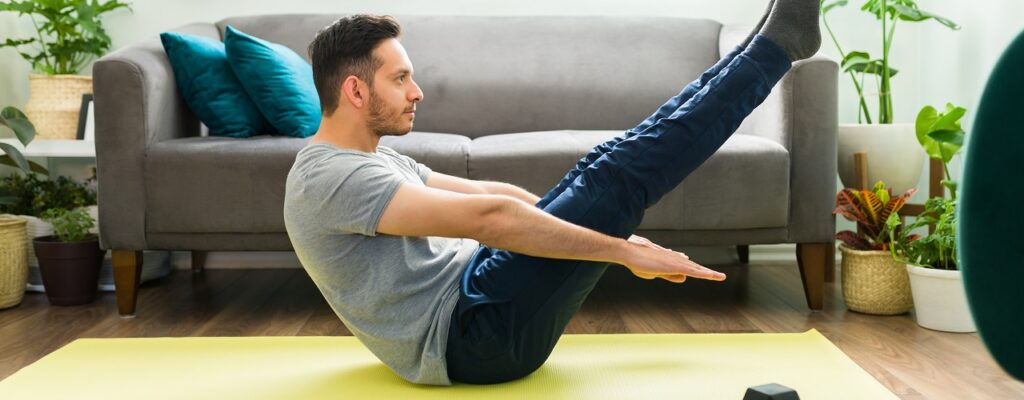
One of the major ways we’ll help you with spine stabilization is through a tailored, progressive exercise program. This program will focus on improving the strength, endurance, and coordination of the deep muscles that surround and support your spine.
For most patients, this spinal stabilization program will move through three main stages:
- Activate the local stabilizing muscles: The first stage focuses on deep muscles within the core. Many people struggling with lower back have difficulty activating these muscles, so we’ll begin here. Activation involves drawing in, tensing, or “squeezing” these muscles at short intervals while maintaining normal breathing patterns. We’ll perform these actions in different positions: sitting, standing, lying down, and on all fours.
- Increase the load: At this stage, we begin to work on really building strength in those deep core muscles. To do this, we continue the activation work from stage 1 while holding more difficult positions, many of which may be familiar to you, like planks or glute bridges.
- Get functional: Finally, during the third stage, you’ll move on to functional strength training exercises focusing on improving your ability to perform daily movements, such as learning to lift with proper form. For example, we may have you perform squats or sit-to-stand exercises (essentially, getting in and out of a chair without using your hands or arms), without bending at the waist.
What To Expect During Your Physiotherapy Spine Stabilization Sessions
When you come in for your first session, our team of physiotherapists will conduct a detailed examination to help us better understand your condition, symptoms, and activity levels. We’ll take a complete health history and perform several movement screens to evaluate your strength, stability, and mobility.
If your back pain is particularly intense, we may utilize manual therapy or other modalities to help you find relief so you can begin working on your stabilization program. Manual therapy consists of hands-on techniques, such as joint mobilizations, which can reduce pain and improve the range of motion. Modalities include several different methods that offer pain relief without depending on medication.
We’ll walk you through every step of your program, monitoring your progress and providing any modifications or adjustments as needed. We’ll also ensure you’re performing the exercises correctly to make sure you don’t injure yourself and get the most out of the program.
As you might expect, you’ll want to attend your sessions dressed as if you were going to the gym. Wear loose, comfortable clothes and be prepared to work!
Want to Get Started? Make Your Appointment Today!
At Ability Physiotherapy, we know how difficult it is to live with persistent back pain. For many people, stabilizing their spine is crucial in helping them find long-term relief.
If you’re ready to try spine stabilization for yours, request an appointment with us today!
Sources:
- https://www.ncbi.nlm.nih.gov/books/NBK562179/
- https://www.physio-pedia.com/The_Effectiveness_of_Core_Stability_Exercise_in_the_Management_of_Chronic_Non-Specific_Low_Back_Pain
- https://www.physio-pedia.com/Exercises_for_Lumbar_Instability
Tags: back pain relief, Physiotherapists, back pain, Pain Relief, Natural Pain Relief, Natural Treatment, physiotherapy