
Find Support and Relief for Pelvic and Lower Abdominal Pain
Pelvic and lower abdominal pain can be uncomfortable, frustrating, and difficult to talk about. At Ability Physiotherapy & Wellness, our physiotherapists provide respectful, supportive care to help individuals of all genders better understand their symptoms and work toward greater comfort. Whether your pelvic or lower abdominal pain is new or something you have been living with for years, we are here to help you move forward with guidance that fits your needs.
Pelvic and lower abdominal pain can affect the lower abdomen, pelvis, genitals, lower back, hips, or surrounding areas. It may be related to the muscles, nerves, joints, or other structures in the area, and symptoms can vary widely from person to person. Our team takes the time to listen to your concerns, understand how your symptoms affect your daily life, and develop a plan focused on improving comfort and pelvic function.
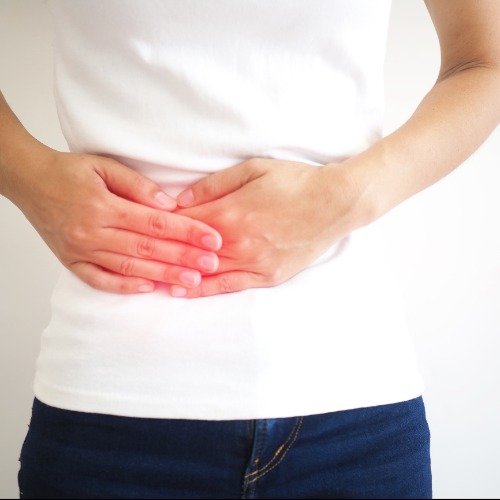
Common Causes of Pelvic and Lower Abdominal Pain
Pelvic and lower abdominal pain can have many possible causes. Physiotherapy may be helpful for people experiencing pain related to conditions such as:
- Endometriosis: Tissue similar to the lining of the uterus grows outside of the uterus, which may contribute to pelvic and lower abdominal pain, painful periods, and discomfort during intercourse.
- Prostatitis: Inflammation of the prostate can contribute to ongoing pelvic or lower abdominal discomfort, as well as pain in the lower back or perineum.
- Pudendal Neuralgia: Irritation or compression of the pudendal nerve may cause burning, numbness, tingling, or shooting pain in the pelvic region, which can be especially noticeable when sitting.
- Pelvic Floor Muscle Spasms: Increased tension or involuntary contractions in the pelvic floor muscles may contribute to pelvic and lower abdominal pain as well as changes in bladder, bowel, or sexual function.
Your symptoms may not fit neatly into one condition, and you do not need to have a specific diagnosis before seeking help. At Ability Physiotherapy & Wellness, we take the time to understand what you are experiencing and how your symptoms affect your everyday activities.
How Does Ability Physiotherapy & Wellness Treat Pelvic and Lower Abdominal Pain?
Treatment begins with understanding your symptoms, your concerns, and what you want to be able to do more comfortably. Your physiotherapist will work with you to create a treatment plan based on your needs and comfort level.
Your physiotherapist will explain each part of your treatment and make adjustments based on how you respond.
Treatment may include:
- Pelvic Floor Manual Therapy: Gentle hands-on techniques may help reduce muscle tension, improve mobility, and make movement more comfortable in the pelvic floor and surrounding areas.
- Pelvic Floor Exercises: Exercises may focus on strengthening, relaxing, lengthening, or coordinating the pelvic floor muscles depending on what your body needs.
- Therapeutic Modalities: Depending on your symptoms and goals, options such as biofeedback or electrical stimulation may be used to support muscle control and symptom management.
- Lifestyle and Activity Education: You may learn practical strategies related to positioning, movement, activity levels, and other daily habits that can help you manage symptoms.
- Breathing and Relaxation Strategies: Appropriate breathing and relaxation techniques may help you become more aware of pelvic floor tension and improve your ability to relax these muscles when needed.
Care That Respects Your Comfort and Privacy
Pelvic and lower abdominal pain can be personal, and discussing symptoms involving the pelvic region may feel uncomfortable. You deserve care that respects your privacy and gives you space to ask questions without judgment.
Your physiotherapist will explain what to expect and make sure you understand the purpose of your treatment. You can discuss your concerns, goals, and comfort level throughout the process so that you feel informed and supported during your care.
What to Expect During Physiotherapy
Your first appointment will include a conversation about your symptoms, medical history, daily activities, and goals. Your physiotherapist may assess your movement, posture, strength, mobility, and other factors that may be contributing to your symptoms.
Depending on your needs and the type of pelvic or lower abdominal pain you are experiencing, your evaluation and treatment may include an assessment of the pelvic floor muscles. Your physiotherapist will explain what is involved and answer your questions before moving forward.
As your treatment progresses, your plan may change based on your symptoms, your comfort, and the progress you are making toward your goals. You may also receive exercises or strategies to use at home between visits.
Frequently Asked Questions
Take the Next Step Toward Better Pelvic Health
Pelvic and lower abdominal pain does not have to be something you simply learn to live with. Physiotherapy can help you better understand your symptoms, improve pelvic function, and work toward greater comfort in your daily life. Contact Ability Physiotherapy & Wellness to schedule an evaluation and learn how our physiotherapy team can support you in South East Calgary, AB and North East Calgary, AB.

THE ABILITY WAY
Care That Starts With You
We believe your care should never be one-size-fits-all. Every plan is shaped around your story, your goals, and the way you want to move through life.
- One-on-one personalized care
- A plan built around your goals
- Hands-on treatment and movement support
- Education to support lasting progress