

The Surprising Connection
Between Neck Pain and A Weak Upper Back

April Newsletter
Do you ever find yourself trying to rub out a sore spot in your neck or find it difficult to turn your head? Neck pain is a common concern that can range from a mild nuisance to a big problem. While neck pain can have several different causes, one contributing factor often gets overlooked: weakness in the shoulders or upper back.
When we deal with persistent aches and pains, poor muscle strength caused by poor posture often turns out to be a significant underlying factor. When a muscle isn’t as strong as it should be, other muscles have to step in to compensate, which puts unnecessary strain on them — and makes them more susceptible to overuse injuries. The result? Seemingly random aches and pains that “come out of nowhere.”
If you’re struggling with persistent neck pain, there’s a chance that the problem is rooted in your shoulders or upper back. Slouching and prolonged sitting with poor posture weakens those upper back muscles, forcing your neck muscles to work overtime — and leading to pain.
Let’s look at two case studies from the Ability Physiotherapy files. Both people suffered from neck pain, but only one went through a dedicated strength training and posture correction program. What happened next?
Ally’s Story: No Time for Strength-Training
Ally was a receptionist who spent long days typing on a computer, answering the phone, and doing other clerical work. She started to notice a slight pain in her neck while she was at work. Although she ignored it at first, the pain persisted. She knew she needed to seek help.
Ally made an appointment with us, where we took her through a comprehensive assessment, including several movement and functional screens. We determined that she had strained the soft tissue in her neck due to her sedentary job.
We started Ally’s treatment with acute pain management using manual therapy techniques and some gentle mobility stretches, which did help her immediate symptoms. However, we knew it wouldn’t be enough to fully resolve her pain, so we suggested she begin a multi-week therapeutic exercise program to restore strength in her upper back and shoulders, helping to reduce the strain on her neck.
Unfortunately, Ally had decided to go back to school, and between work, her classes, and her family, she simply didn’t have time for physiotherapy. So, while we were able to help Ally in the short term, her pain persisted in the long term, eventually landing her back in our clinic a year later.
Sarah’s Story: A Dedicated Strength Training Program
Sarah’s situation was very similar to Ally’s. She was a marketing assistant who also spent a great deal of time on both her laptop and a mobile phone, and she also experienced a gradual onset of neck pain. And, like Ally, she paid us a visit when it became too much.
We gave her a similar diagnosis: a strained neck muscle brought on by improper posture and prolonged sitting. We also provided her with acute pain relief. The difference? Sarah was able to continue her treatment with a six-week therapeutic exercise program.
We met with Sarah twice weekly to guide her through a custom set of targeted neck, shoulder, and upper back exercises. We started with gentle stretches and mobility work before progressing to resistance training exercises. With the help of some tubing and an exercise band, Sarah built strength through her upper body, providing her neck with the support it needed.
We also helped Sarah set up her workstation to be more ergonomic, including adjusting the height of her computer monitor and rearranging her keyboard. We also gave her some tips for maintaining postural awareness throughout the day.
The result? After six weeks, Sarah’s neck pain was entirely resolved — and she didn’t have to seek additional treatment!
Ready To Attack Your Neck Pain at the Source?
If you’re struggling with persistent neck pain, physiotherapy at Ability Physiotherapy can help you find lasting relief. Just as we did with Ally and Sarah, we’ll assess your symptoms and develop a customized treatment plan that seeks to resolve your neck pain altogether.

Patient Success Stories
“I’ve been with Ability Physiotherapy for a bit over a year and their services are phenomenal. Himani is such a great physiotherapist and she really understands what her patients need. She’s very accommodating, and the staff is also great! Highly recommend this place.”
— Farah N.
“Fast, efficient, caring service. 3 visits helped my issue of 10 years of stress incontinence.”
— Latasha E.
“Excellent service. The team is incredibly skilled, professional, and caring.”
— Harpreet K.

Maintaining strength throughout your shoulders and upper back is crucial to avoid neck pain! The therapists at Ability Physiotherapy can help you develop a customized exercise program that addresses your needs and fits with your abilities.
Curious about what exercises we might include in that program? Here’s an overview of three common resistance training exercises we often use to help people with neck discomfort. Before trying any of them yourself, make an appointment with our team to ensure you’re using the right weight and proper form.
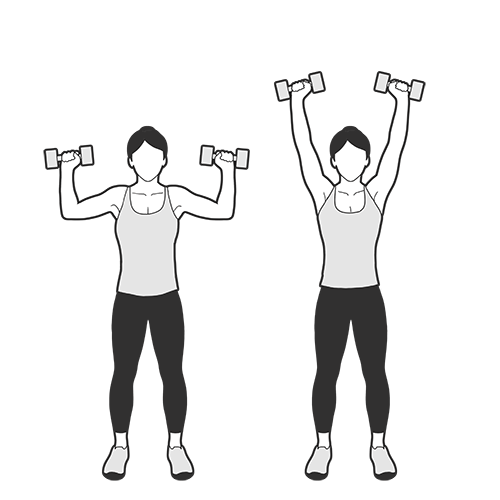
Shoulder Press: With a dumbbell in each hand, make a “field goal ” shape with your arms: your arms are bent at a 90-degree angle with your palms facing up. Brace your core as you press the weights overhead, then slowly lower them back down to your starting position.
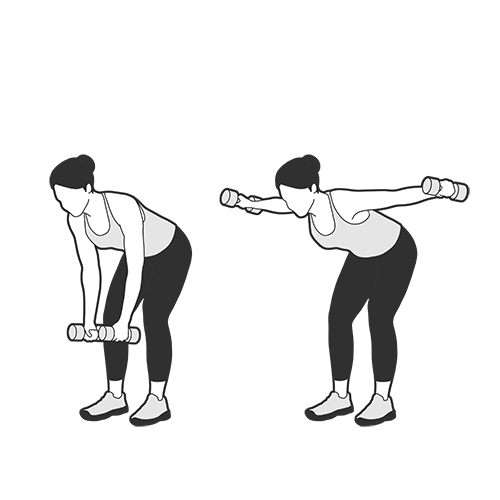
Reverse Flies: Lean forward at your waist with your elbows slightly bent and dumbbell in each hand. Slowly raise the weights until they are in line with your shoulders.
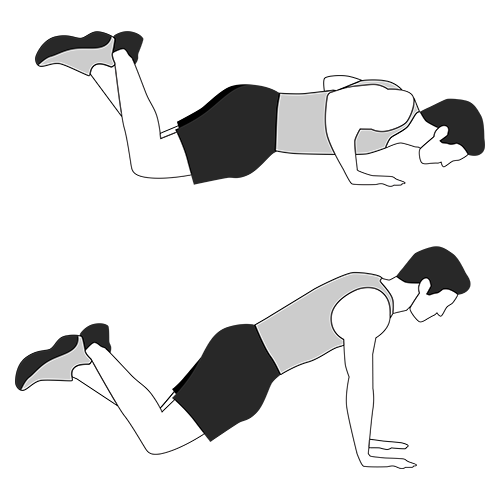
Modified Push-Ups: Push-ups are a great way to build upper back and shoulder strength, but if you find the standard push-up too difficult, never fear: the modified version is just as effective. Start on your hands and knees (instead of your feet) with the body in a straight line from head to knee. Slowly lower your chest until it’s a few inches off the floor, then rise back up.
A dedicated strength-training program is a great way to reduce neck discomfort. Schedule an appointment with us to get started with one of your own!

Service Spotlight:
Discover the Benefits of Dry Needling!
Are You In Pain? Dry Needling Can Help You Find Relief
Dry needling is a safe and effective method of treatment provided at Ability Physiotherapy to reduce pain and muscle tension, while simultaneously improving mobility.
It has been proven to treat numerous musculoskeletal issues, including acute and chronic injuries, overuse injuries, neck pain, headaches, back pain, sciatica, muscle spasms, muscle strains, tendinitis, knee pain, hip pain, fibromyalgia, tennis elbow, golfer’s elbow, and more.
How does dry needling work?
When performing dry needling, our physiotherapist will insert a sterile needle through the skin, into the underlying tendons, ligaments, or muscles that have been affected, in order to relieve pain, decrease muscle tension, and improve mobility.
While it is a common misconception, dry needling is not acupuncture. It is based on a modern scientific study of musculoskeletal and neuromuscular systems.
While there are some similarities, dry needling is strictly based on Western medicine principles and research. It provides an environment that enhances the body’s ability to heal, ultimately reducing pain in the process.
So, how will I benefit from dry needling?
There is a large variety of musculoskeletal issues that can be treated with dry needling. When paired with our traditional exercise-based physiotherapy treatments and advanced manual therapy techniques, we have found that the vast majority of our patients achieved the pain-free goals they were aiming towards.
After conducting a comprehensive evaluation to assess the nature of your condition, our physiotherapist will let you know if dry needling is the best course of treatment for you.
We have used dry needling to treat several diverse conditions, from chronic pain sufferers to athletes experiencing delayed onset muscle soreness.

Are you ready to get started?
If you want to know more about our dry needling services, don’t hesitate to request an appointment at Ability Physiotherapy today.
Dry needling can speed up recovery time and allow you to return to your daily life as quickly as possible.
We’ll help you get you started on the path toward recovery!



The FAME Program
Ability Physiotherapy is proud to offer FAME, a unique group exercise program specially designed to help people recover after a stroke.
FAME stands for Fitness and Mobility Exercise, which gives you a good sense of what the FAME program can offer stroke survivors. Furthermore, the group setting encourages social interaction and motivation, which are crucial (and often overlooked) components of the rehabilitation process.
Key Benefits of FAME
Enhanced Mobility and Balance
Improve your walking speed, balance, and overall mobility. This will make it easier to participate in daily activities and reduce your fall risk.
Increased Strength and Endurance
Strength-training exercises rebuild muscle mass and improve physical stamina for better functionality.
Improved Cardiovascular Health
Suffering one stroke makes you more likely to suffer another, but improving your heart health with FAME sessions can help lower risk.
Is the FAME Program Right For Me?
We generally recommend the FAME program for stroke survivors who meet the following criteria:
- Stand for at least five minutes
- Walk 10 meters (with or without a walking aid)
- Follow instructions and communicate with the instructor
Think you might benefit? Give us a call to get started!

Feel Better by Eating Better!
Stir-Fry Rice Bowl
Looking for a quick, healthy, and satisfying meal? This Stir-Fry Rice Bowl is packed with fresh vegetables, warm brown rice, and a perfectly poached egg for a deliciously balanced dish. This meal is both comforting and nutritious — perfect for a busy weeknight dinner!
Try it out and enjoy a wholesome, homemade meal.
In a large skillet, heat canola oil over medium-high heat. Add carrots, zucchini and mushrooms; cook and stir for 3-5 minutes or until carrots are crisp-tender. Add bean sprouts, spinach, water, soy sauce and chili sauce; cook and stir just until spinach is wilted. Remove from heat; keep warm.
Place 2-3 in. water in a large skillet with a high side. Bring to a boil; adjust heat to maintain a gentle simmer. Break cold eggs, 1 at a time, into a small bowl; holding bowl close to surface of water, slip egg into water.
Cook, uncovered, 3-5 minutes or until the egg whites are completely set and the yolks begin to thicken but are not hard. Using a slotted spoon, lift eggs out of water.
Serve rice in bowls; top with vegetables. Drizzle with sesame oil. Top each serving with a poached egg.
Ingredients
- 1 tablespoon canola oil
- 2 medium carrots, julienned
- 1 medium zucchini, julienned
- 1/2 cup sliced baby portobello mushrooms
- 1 cup bean sprouts
- 1 cup fresh baby spinach
- 1 tablespoon water
- 1 tablespoon reduced-sodium soy sauce
- 1 tablespoon chili garlic sauce
- 4 large eggs
- 3 cups hot cooked brown rice
- 1 teaspoon sesame oil
Exercise of the Month
Sitting Cervical Side-Bending Right with Overpressure
Start by sitting upright in a chair with your lower back supported. Tuck in the chin to straighten the neck. Place your right hand over the top of your head, with fingers pointed towards the ear. Keep your left hand on the back of the neck as support. Bend your neck to the right, allowing your right hand to assist you in going deeper into the motion. Hold for 3 seconds.


Meet Our Team

Himani Singh Gupta
Founder

Krupal Rathod
Physiotherapist
(On Break)

Sumandeep Kaur
Massage Therapist
(On Maternity Leave)
Let’s Get You Better ASAP!
Don’t let pain dictate your life. Take the first step towards reclaiming your mobility and well-being with our expert support. Start your journey to a healthier you today.