


Determining The Origins of Your Pain
Are you tired of dealing with pain day in and day out? Have you been struggling with persistent pain for months or even years, and it’s taking a bigger and bigger toll on your life? For some people with pain, the simplest tasks are now major challenges, and over-the-counter and/or prescription pain meds don’t seem to provide any relief.
Unfortunately, this is a common experience for millions of Canadians. Recent research has found that over 100 million people suffer from persistent pain each year. This is where Ability Physiotherapy steps in.
At Ability Physiotherapy, we understand that pain comes in various forms, affecting people in unique ways. We’re committed to staying at the forefront of the latest advancements in pain management, ensuring that our patients receive the best care possible.
We know that pain can be overwhelming, but we’re here to remind you that there is hope!
Understanding Different Types of Pain
Pain is a complex sensation, and it can be categorized into five main types, each with its own characteristics and underlying mechanisms. Here’s an explanation of these types:
- Nociceptive Pain: This type of pain results from the stimulation of specialized nerve sensors called nociceptors. Nociceptive pain is often described as sharp, aching, or throbbing and is typically localized. It can be acute, like when you accidentally bump your knee, or chronic, as seen in conditions like arthritis.
- Central Pain: Central pain arises from dysfunctions within the central nervous system (i.e., the brain and spinal cord). Central pain starts inside the central nervous system itself. Examples include fibromyalgia and pain associated with spinal cord injuries.
- Neuropathic Pain: This pain type is caused by nerve damage or dysfunction. It may manifest as burning, tingling, or shooting sensations. It is typically associated with conditions like diabetic neuropathy or nerve injuries (i.e., sciatica).
- Psychosocial Pain: Psychosocial pain involves mental and/or social factors influencing pain perception. Stress, anxiety, depression, and social support (or lack thereof) can significantly influence how pain is experienced. It is not directly tied to tissue damage but is due to mental and emotional states.
- Movement System Pain: This pain is directly related to the biomechanics of movement, such as issues with joint positions or control and/or muscle imbalances. Physiotherapists often work with this type of pain, prescribing targeted exercises to correct movement dysfunctions contributing to the discomfort.
Regardless of the type of pain you’re dealing with, our therapists will work with you to identify and target the sources of your pain. We’ll use gentle techniques and exercises to address these issues and help you find relief.

Finding Relief from Pain with Physiotherapy
When you come to a physiotherapy session at Ability Physiotherapy, you’re taking a significant step towards finding relief from pain and improving your overall well-being. Your first session will typically begin with questions about your medical history, the specific nature of your pain, its location, and any factors that make it better or worse.
After discussing your medical history, your therapists will evaluate your posture, muscle strength, range of motion, and any areas of tenderness. They’ll also assess your movement patterns to identify any abnormalities or dysfunctions.
Based on the information gathered during the evaluation, your physiotherapist will work to identify the underlying issue causing your pain. This may involve determining the type of pain (e.g., nociceptive, neuropathic, or movement system-related) and its primary sources.
Once your therapist has a clear understanding of your condition, they will create a personalized treatment plan tailored to your needs. Our treatments may include manual therapy techniques to release tension and improve joint mobility. Exercises are another crucial component, tailored to your specific needs and designed to correct any movement dysfunctions. Education plays a vital role in empowering you with the knowledge and tools to manage your pain effectively.
Patients are often fearful of making their condition worse. As a result, they often either do nothing or get so frustrated they ignore clear warning signs and push through. In either case, the result is more suffering. The key is to find a balance in the middle, where you do just enough to improve but not enough to make it worse.
At Ability Physiotherapy our therapists will help you find that balance, guiding you through the steps you need to take to feel good again!
Patient Success Story
“Absolutely awesome from start to finish, from scheduling the appointment to the front desk and beyond. You can’t beat this team. Dr. Himani, a highly professional and knowledgeable physiotherapist, is truly exceptional. I want to thank the entire staff, and especially Dr. Himani, not only for being a fantastic therapist but also for being a true advocate for her patients.”
— Steve S.

Go to the Pain, Not Through the Pain
Is pain affecting your life? Does it seem like everything you try doesn’t seem to help?
Too often, the frustration of dealing with daily pain leads people to ignore or try to push through their pain. It doesn’t help that the terrible slogan “no pain, no gain” has become a part of our culture in America. Learning how to navigate pain is essential to finding the relief so many people seek.
Whether you’re tired of sporadic aches and pain or struggling with chronic discomfort, physiotherapy at Ability Physiotherapy plays a vital role not just in treating pain but also in teaching patients how to manage their pain effectively.
Simple Tips to Find Relief
Our team will start by explaining the type of pain the patient is experiencing — be it nociceptive, central, neuropathic, psychosocial, or movement system pain. This helps you understand the root cause of your pain, allowing for targeted treatments addressing your unique situation.
Here’s an overview of common tools we use to empower our patients:
- Pain Management Strategies: Breathing exercises and relaxation techniques can sometimes be as effective as medication in reducing pain.
- Activity Modification: Sometimes, small changes can make a big difference. By changing how they perform their daily activities, patients can reduce the risk of pain flare-ups.
- Gradual Progression of Exercise: Starting slow and building up gradually can help patients realize that movement doesn’t have to be painful, reducing fear and improving function over time.
Our physiotherapists will give you the tools and knowledge you need to take an active role in your pain management, making your treatment more effective and lasting. Remember the slogan, “go to the pain, not through the pain,” to guide your progress!

Service Spotlight:
Enhance Your Game with Sports Performance Training at Ability Physiotherapy
At Ability Physiotherapy, we help athletes of all levels reach their peak performance. Whether your child is excelling in competitive swimming, improving their batting skills in Little League, or you’re an active weekend warrior, our physiotherapists can refine technique, speed up recovery, and prevent future injuries.
Why Choose a Sports Performance Program?
Every athlete is different. That’s why our sports performance programs are customized to match your age, activity level, and physical development. Our sport-specific academy training focuses on:
- Athletic development – Enhancing coordination and control
- Strength and power – Building endurance and explosive movements
- Speed and agility – Improving quickness and reaction time
- Body awareness – Refining jumping, landing, and cutting techniques
Our programs create a pre-season environment that prepares you for a safe and successful sports season. We also focus on injury prevention strategies to reduce the risk of ACL tears, non-contact injuries, and overuse conditions like shin splints and stress fractures.
Ready to Reach Your Full Potential?
Take the next step toward peak performance. Contact Ability Physiotherapy today. Our expert physiotherapists will design a personalized program to enhance your speed, agility, strength, and injury prevention. Request an appointment now and train smarter to play stronger!



The FAME Program
Ability Physiotherapy is proud to offer FAME, a unique group exercise program specially designed to help people recover after a stroke.
FAME stands for Fitness and Mobility Exercise, which gives you a good sense of what the FAME program can offer stroke survivors. Furthermore, the group setting encourages social interaction and motivation, which are crucial (and often overlooked) components of the rehabilitation process.
Key Benefits of FAME
Enhanced Mobility and Balance
Improve your walking speed, balance, and overall mobility. This will make it easier to participate in daily activities and reduce your fall risk.
Increased Strength and Endurance
Strength-training exercises rebuild muscle mass and improve physical stamina for better functionality.
Improved Cardiovascular Health
Suffering one stroke makes you more likely to suffer another, but improving your heart health with FAME sessions can help lower risk.
Is the FAME Program Right For Me?
We generally recommend the FAME program for stroke survivors who meet the following criteria:
- Stand for at least five minutes
- Walk 10 meters (with or without a walking aid)
- Follow instructions and communicate with the instructor
Think you might benefit? Give us a call to get started!

Feel Better by Eating Better!
Slow Cooker White Chicken Chili
This Crockpot White Chicken Chili offers comfort and satisfaction, courtesy of its creamy texture and healthy ingredients. The slow cooker keeps it breezy and hands-free!
Place chicken in the bottom of a 6-quart or larger slow cooker. Add the chicken broth, white beans, green chiles, garlic, onion, cumin, oregano, salt, and cayenne. Stir to combine. Cover and cook on low for 4 to 6 hours or high for 2 to 4 hours, or until the chicken is cooked through. Remove the chicken breasts to a plate. Once cool enough to handle, shred and set aside.
With an immersion blender, puree a portion of the chili to thicken it, leaving some of the beans whole. (If you don’t have an immersion blender, you can instead transfer a few ladlefuls of the chili to a food processor or blender and pulse roughly, then return back into the chili.)
Stir in the shredded chicken and cilantro. Portion into bowls and top with a squeeze of fresh lime juice. Add any other desired toppings and enjoy.
Ingredients
- 1 1/4 lbs. boneless skinless chicken breasts (2-3 breasts)
- 4 cups low-sodium chicken stock
- 2 (15-oz) cans reduced-sodium white beans such as white kidney, navy, cannellini, or Great Northern beans, rinsed and drained
- 2 (4.5-ounce) cans diced green chiles
- 3 cloves garlic minced
- 1 small yellow onion (or 1/2 large) finely diced
- 2 teaspoons ground cumin
- 1 teaspoon dried oregano
- 1/2 teaspoon kosher salt
- 1/4 teaspoon cayenne pepper
- 1/4 cup chopped fresh cilantro
- Fresh lime wedges
Exercise of the Month
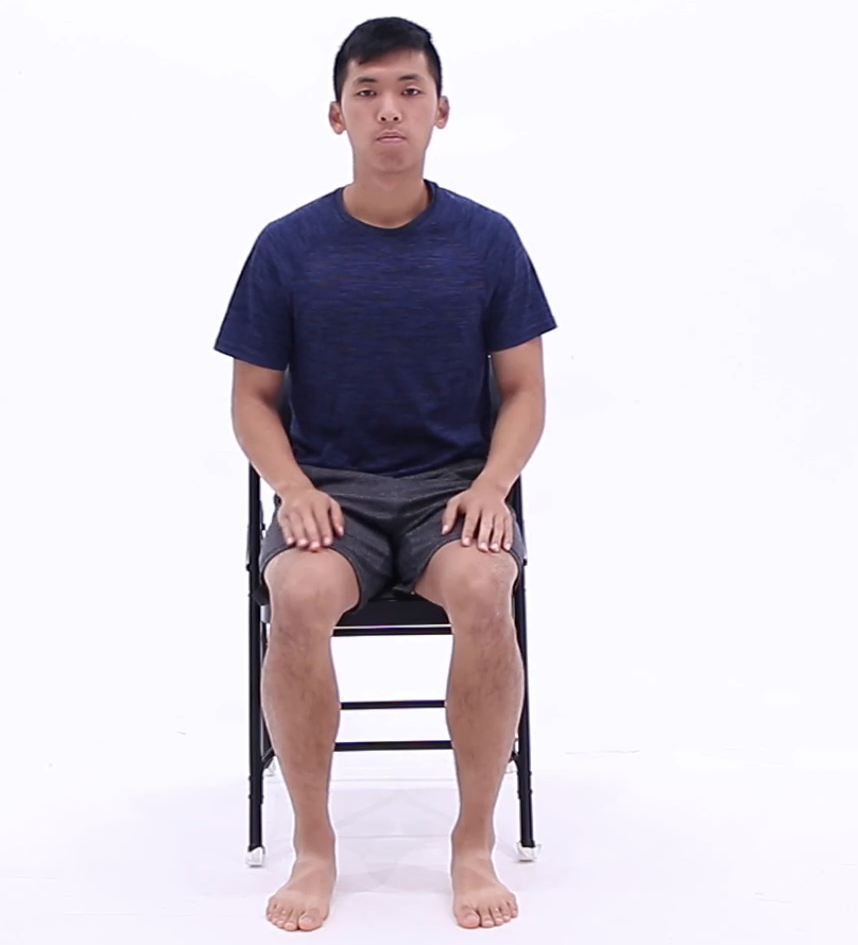
Neck Stretching
Start by sitting up straight in a chair. Gently pull your arm across your body and slightly forward toward your opposite knee. Then, slowly tilt your head away from the direction you are pulling your arm in and feel the stretch in the side of your neck. Repeat 2 sets, 1 rep each.


Meet Our Team

Himani Singh Gupta
Founder

Krupal Rathod
Physiotherapist
(On Break)

Sumandeep Kaur
Massage Therapist
(On Maternity Leave)
Let’s Get You Better ASAP!
Don’t let pain dictate your life. Take the first step towards reclaiming your mobility and well-being with our expert support. Start your journey to a healthier you today.