

Stay Mobile, Warm, and Safe This Winter
As the temperatures drop, you may notice that your joints feel stiffer and movement feels a little more difficult. It’s not your imagination: cold weather causes your muscles and connective tissues to tighten as your body redirects blood flow away from your soft tissues to warm up your core temperature. This is especially true for people with arthritis, whose joints are already sensitive to temperature and pressure changes.
Unfortunately, when combined with icy driveways and other uneven or slippery surfaces, this restricted mobility can increase your risk of falls and related injuries. However, winter doesn’t have to mean discomfort and injury! The team at Ability Physiotherapy is here to help you manage these challenges so you can enjoy the winter season.

Winter-Related Injuries to Watch Out For
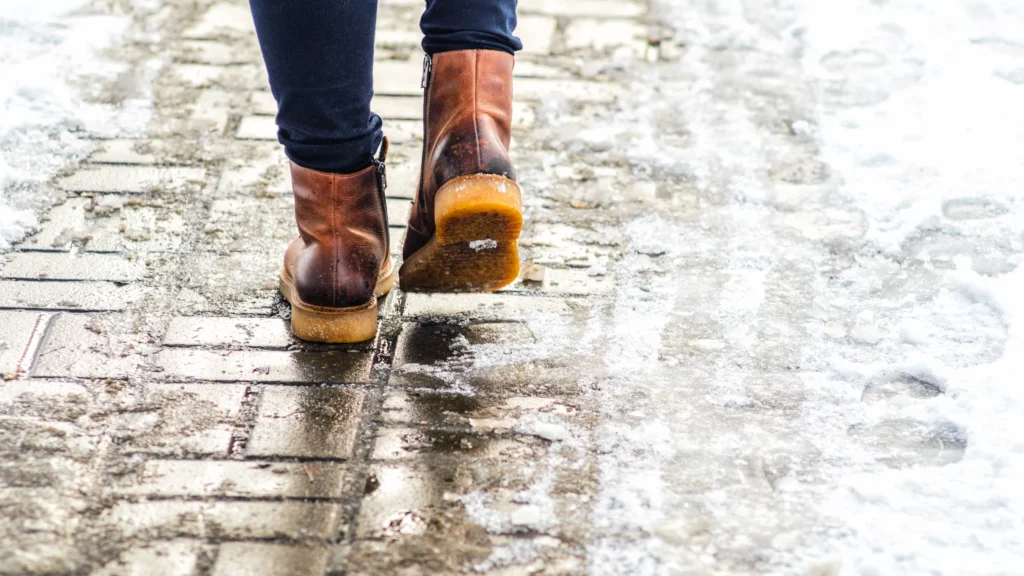
Slips and falls are among the most common sources of injury in the winter. Ice, snow, and uneven ground can create major balance challenges, especially if you’re already feeling stiff. A bad fall can lead to damage in your wrists, ankles, hips, shoulders, or back.
Another source of winter-time injury is shovelling snow. While it’s a great workout, snow shovelling puts a great deal of stress on your back and shoulders, especially with tighter-than-normal muscles. Using improper posture can make things worse.
That’s why we recommend scheduling an appointment with our team before winter really sets in. Our physiotherapists can assess your movement patterns, identify and address areas of weakness, and teach you safer lifting and balance techniques. This proactive approach can go a long way toward keeping you safe this winter.
Exercise of the Month
Clamshells (Exercise Band)
(Hips, Glutes)
Lie on your side with your knees bent and feet together. Position an exercise band above your knees. The side you want to exercise should be on top. While keeping your feet together, lift your top knee away from your bottom knee. Slowly return to the starting position. (Materials needed: exercise band) 3 Sets, 10 Reps.
Don’t Forget About Winter Sports!
Another great aspect of cold weather is the opportunity to participate in some of our favorite winter activities. Unfortunately, they can bring their own risk of injury:
Skiing and Snowboarding
- Both skiing and snowboarding require quick turns, sudden stops, and uneven landings that increase your chances of knee injuries and lower back pain.
Ice Skating
- Ice skating’s graceful gliding motions and sudden directional changes require a great deal of stability and strength in the lower body. If this area is weak, you risk ankle sprains and overuse injuries in the knees and hips.
Hockey
- Hockey is a fast-paced contact sport that puts stress on the upper and lower body, setting you up for knee and shoulder injuries. Concussions are also a risk.
Don’t Let Your 2025 Insurance Benefits Go To Waste!
Take charge of your health today and make the most of your insurance benefits!
If you’ve already met your deductible this year or have funds left in your HSA account, you can take advantage of our remarkable opportunity at Ability Physiotherapy. Don’t let these valuable benefits go unused!
How Physiotherapy Can Get You Ready for Winter
Whether you’re clearing your sidewalk or playing pickup hockey, physiotherapy can help you move safely and efficiently, especially when cold weather challenges your balance, strength, and joint health.
When you visit us, we’ll perform a detailed assessment to learn more about your concerns and goals. This assessment will include physical screens to evaluate your strength, mobility, and pain levels, if necessary. From there, we’ll create a plan tailored to your needs. Here are just some of the things we can help with:
Fall Prevention
We can teach you strategies to improve balance, coordination, and body awareness. Simple drills, such as single-leg stands or controlled weight shifts, help strengthen the small stabilizing muscles that keep you upright on slippery ground.
We can also educate on footwear, home safety, and how to maintain stability on snow and ice. For older adults or those with a history of falls, these interventions can significantly improve confidence and independence.
Support for Chronic Conditions
Cold weather often worsens symptoms for people with chronic pain or joint conditions such as arthritis, back stiffness, or lingering injuries. Our team will work with you to maintain mobility, improve muscle strength, and promote circulation, which helps reduce stiffness and inflammation. Targeted exercise, manual therapy, and gentle stretching help keep joints mobile and muscles active, even in low temperatures. Over time, consistent care can enhance function and reduce pain sensitivity, allowing you to stay active and independent through the winter months.
Injury Rehabilitation
If you suffer an injury, our team can help you restore movement and strength, and prevent long-term damage, using a blend of manual therapy, targeted exercises, and functional training.
Let’s Have a Great Winter!
The team at Ability Physiotherapy offers one-on-one, individualized treatment tailored to your specific needs. From fall prevention to sports injury recovery, we help you stay active and confident throughout the season.
Book your appointment today and take the first step toward moving better this winter.
Sarcopenia: A Quick Dive
There’s no denying that aging causes a host of physical and mental changes. One of the more significant of these is a decrease in muscle mass. For most people, it begins in their 30s and 40s, then jumps into high gear in their 60s.
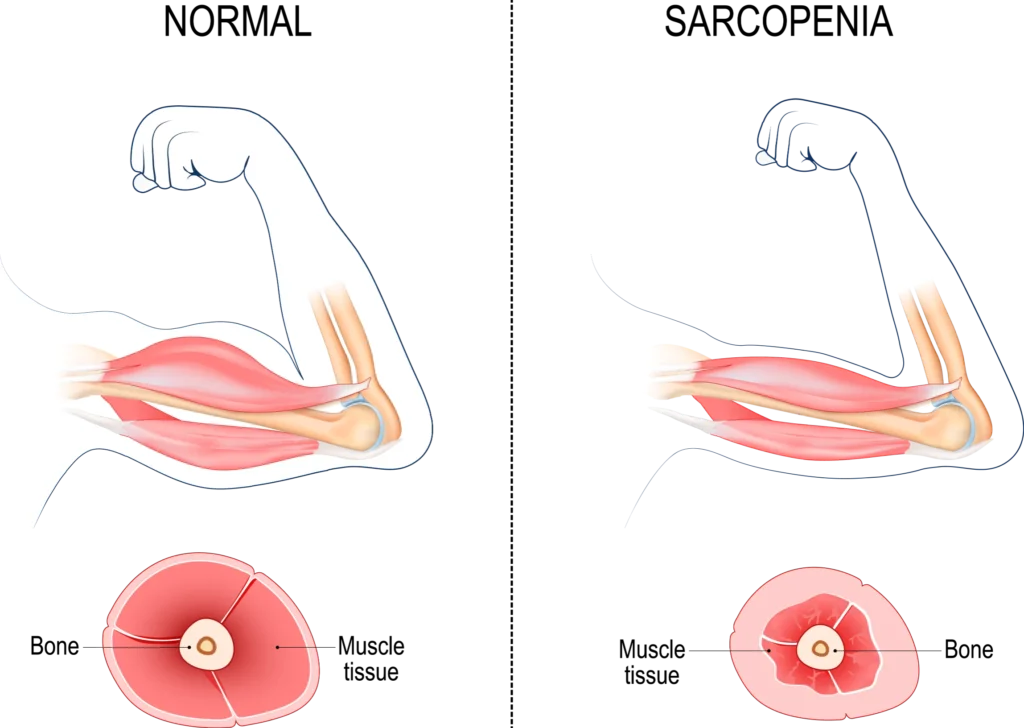
Age-related muscle mass loss happens to everyone to some extent. However, some people suffer loss of muscle mass, strength, and endurance to such a degree that it severely compromises their ability to be physically active. This condition is known as sarcopenia.
Symptoms, Causes, and Effects
Sarcopenia primarily stems from the effects of aging and, as such, primarily affects people 60 years or older. Certain risk factors can make it more likely that you develop sarcopenia, including the following:
- A sedentary lifestyle
- Chronic diseases, including diabetes and kidney disease
- Inadequate protein
- A decline in certain bodily functions related to building muscle
People with sarcopenia lose their muscle mass more quickly than those who don’t, which leads to muscular weakness and overall frailty. This, in turn, can negatively affect your quality of life. You may…
- Lose stamina more quickly
- Have difficulty with mobility, including walking or climbing stairs
- Have poor balance and be more likely to fall
- Find daily activities more difficult
How Ability Physiotherapy Helps with Sarcopenia
The good news is that you can manage sarcopenia with a few simple lifestyle changes, namely regular physical activity and improved nutrition. These factors can also help prevent sarcopenia or delay its progression. However, remember that some muscle mass loss is just part of getting older.
What’s not an inevitable part of aging, however, is losing mobility and independence. Our physical therapists can help keep you active well into old age!
Sources: https://www.ncbi.nlm.nih.gov/books/NBK560813/, https://www.physio-pedia.com/Sarcopenia

Creamy Tuscan Chicken
- 2 tablespoons olive oil
- 4 boneless, skinless chicken breasts (or thighs)
- Salt and pepper to taste
- 3 cloves garlic, minced
- 1 cup cherry tomatoes (halved)
- 2 cups baby spinach
- ½ cup sun-dried tomatoes (optional but flavorful)
- 1 cup heavy cream
- ½ cup chicken broth
- ½ cup grated Parmesan cheese
- 1 teaspoon Italian seasoning (or mix of basil, oregano, thyme)
- Sear the chicken: Heat olive oil in a large skillet over medium heat. Season chicken with salt and pepper, then cook for about 5–6 minutes per side until golden brown and cooked through. Remove and set aside.
- Make the sauce: In the same pan, add garlic and cook for 30 seconds. Add cherry tomatoes and sun-dried tomatoes. Cook until tomatoes start to soften.
- Add cream and broth: Pour in heavy cream and chicken broth. Stir in Parmesan and Italian seasoning. Simmer 3–4 minutes until thickened slightly.
- Combine: Add spinach and stir until wilted. Return chicken to the pan, spooning sauce over top. Simmer another 3 minutes to meld flavors.
- Serve: Serve hot over mashed potatoes, rice, or pasta.