

Regaining Control with Pelvic Floor Therapy
Do you ever find yourself avoiding a big belly laugh because you’re worried about leakage? Have you ever had to drop what you’re doing and run to the bathroom right now?
At Ability Physiotherapy, we know how embarrassing these symptoms can be. But we also know that they often stem from problems with your pelvic floor, and for that, we offer a simple, effective solution: pelvic floor physiotherapy.
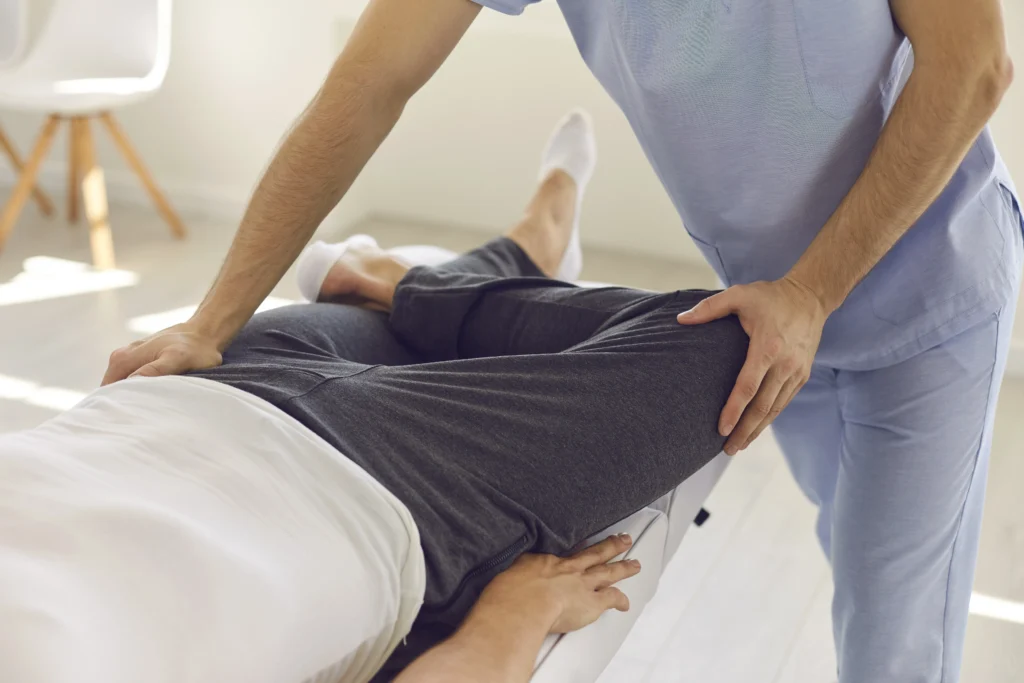

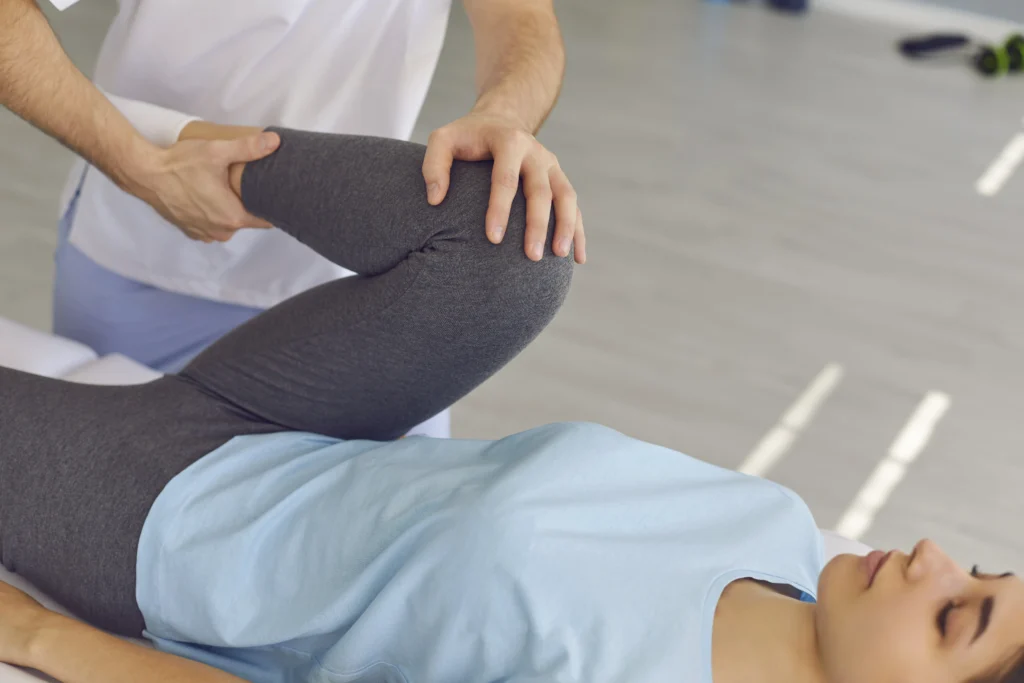
The Problem: Pelvic Floor Dysfunction
If you’re dealing with incontinence or pelvic pain, there’s a good chance you’re experiencing dysfunction in the pelvic floor, a group of muscles that support the bladder, bowel, and sexual organs (in women).
When these muscles are too weak, too tight, or not working in coordination, everyday life can quickly become uncomfortable and limiting.
Common Problems Caused by Pelvic Floor Dysfunction
Pelvic Pain
- Ongoing discomfort in the pelvic region can have wide-ranging effects, making it difficult to walk, sit, or engage in other daily activities.
Urinary Stress Incontinence
- Stress incontinence causes leaking when coughing, sneezing, laughing, or exercising. It’s particularly common in women.
Urinary Urge Incontinence
- This type of incontinence can affect both men and women. It causes an urgent need to urinate that can be immensely disruptive to your daily routine.
Decreased Hydration
- Another unfortunate side effect of pelvic floor dysfunction? You may begin drinking less water to avoid accidents or discomfort! This can cause dehydration, fatigue, and other health issues, including worsening pelvic floor symptoms.
Sexual Dysfunction
- Tense or uncoordinated pelvic muscles can also affect intimacy, causing pain or reduced sensation.
Exercise of the Month
Hip Slides
(Hips, Core)
Start in a tall kneeling position with both knees on the floor and your hands resting on your hips. Shift your hips slowly to one side as if you’re trying to reach your hip toward your heel, then return to center. Repeat on the other side, moving in a smooth, controlled motion. 3 Sets, 10 Reps (each side). (Materials needed: floor mat)
The Solution: Pelvic Floor Physiotherapy
There is good news, though: You don’t have to live with these symptoms! Pelvic floor physiotherapy is a specialized treatment that restores proper strength, mobility, and coordination to the pelvic floor muscles.
What To Expect
Comprehensive Assessment
We’ll evaluate your muscle strength, coordination, breathing patterns, and posture, and identify whether your muscles are overactive (too tight) or underactive (too weak). This allows us to craft a truly personalized care plan tailored to your needs.
Education and Awareness
We’ll explain how the pelvic floor works and ensure you engage these muscles correctly during exercises so you don’t worsen your symptoms. This step is crucial, as the pelvic floor is entirely internal, which can make activating those muscles a challenge.
One key way we do this is through biofeedback training, in which sensors placed over the skin show muscle activity on a screen. This gives you real-time feedback as you learn to contract or relax the right muscles.
Manual therapy
We may utilize hands-on techniques to reduce muscle tension, improve circulation, or ease discomfort in the pelvic region.
Targeted Exercise Programs
We’ll show you exercises to strengthen or relax the pelvic floor muscles. These may involve Kegel exercises (muscle squeezes), breathing techniques, or relaxation methods.
Bladder Retraining
We’ll guide you through practical strategies to improve bladder control. This is especially helpful for urge incontinence, as we can help you train your bladder to go longer between bathroom visits.
Lifestyle and Posture Advice
You’ll receive tips for safe lifting, core support, and modifications to daily habits that protect the pelvic floor.
Benefits of Pelvic Floor Therapy
Correcting pelvic floor dysfunction addresses the root cause of your symptoms, helping you find lasting relief. For example, strengthening weak pelvic floor muscles can reduce stress incontinence, while relaxing overactive muscles can ease pain and improve bladder emptying. Ultimately, pelvic floor physiotherapy can help you experience the following benefits:
- More confidence during exercise and social events
- Better hydration without fear of accidents
- Improved sleep from fewer overnight bathroom trips
- Reduced pain in the pelvis, hips, and lower back
- Enhance sexual intimacy, with less pain and dysfunction
- Greater independence and freedom in daily life
Sources: https://www.ncbi.nlm.nih.gov/books/NBK559246/, https://www.physio-pedia.com/An_Overview_of_Physiotherapy_Assessment_and_Treatment_of_the_Pelvic_Floor
Take the First Step Toward Pelvic Floor Relief
At Ability Physiotherapy, we take a patient-centered approach to care. We offer a compassionate space where you can share your symptoms freely, and we develop every treatment plan based on your specific concerns and goals.
So don’t let pelvic floor dysfunctions silence your laughter and keep you stuck at home. Whether you’re struggling with leakage, urgency, pelvic pain, or hydration challenges, pelvic floor physiotherapy can provide meaningful improvement.


The Healing Power of Sleep
Sleep is vital for our well-being. It’s not just a nightly routine but a key to feeling our best. Sleep does more than just refresh us; it helps prevent injuries, speeds up healing after injuries, and keeps our mental health in check.
At Ability Physiotherapy, we recommend the following strategies to enhance your sleep:
- Sleep Schedule: Research studies emphasize the importance of consistently going to bed and waking up at the same time daily. Also, get exposure to natural light first thing in the morning to help regulate your circadian rhythm.
- Bedtime Routine: Engage in calming activities before bedtime, such as reading or practicing relaxation techniques like deep breathing.
- Optimal Sleep Environment: Keep your bedroom cool (around 65-68°F), dark, and quiet. Invest in comfortable bedding and a supportive mattress.
- Limit Screen Time: Avoid electronic devices like smartphones and computers at least an hour before bedtime to minimize exposure to disruptive blue light.
- Limit Food and Fluid Before Bed: Reducing fluid intake and avoiding late meals in the evening can help prevent disrupting your sleep.
- Avoid Alcohol and Drugs Before Bed: Drinking alcohol or consuming caffeine and nicotine close to bedtime can disrupt quality sleep.
- Physical Activity: Regular exercise, particularly earlier in the day, can improve sleep quality.
- Manage Stress: Chronic stress can negatively affect sleep quality. Stress management techniques, such as progressive muscle relaxation and mindfulness meditation, help improve sleep quality and reduce insomnia symptoms.
Prioritizing Quality Sleep for a Healthier and Happier Life
Incorporating these strategies into your nightly routine can help you wake up feeling refreshed and ready to tackle the day ahead. Remember, getting a good night’s sleep is one of the best things we can do for ourselves!

Healthy Snack: Apple Nachos
- 2 apples, any variety
- 1/4 cup creamy nut butter
- Toppings of your choice (granola, shredded coconut, caramel, slivered almonds, raisins, etc.)
- Slice apples thinly and arrange on a plate.
- Melt nut butter in the microwave (30-60 seconds). Stir.
- Drizzle nut butter over the apples.
- Top with a sprinkling of your choice of toppings.
- Serve immediately.